What Causes Low Water Pressure in Your Home?
Low water pressure can turn simple daily tasks into frustrating ones.
A shower may suddenly feel weak, the kitchen faucet may take longer to fill a pot, or the washing machine may seem to take more time than usual. In some homes, the problem affects only one fixture. In others, water pressure drops throughout the entire house.
The difference matters.
Low pressure at one faucet may point to a clogged aerator or a problem with that individual fixture. Low pressure throughout the home can indicate a larger plumbing issue involving valves, pipes, leaks, pressure regulators, or even the incoming water supply.
Understanding where the problem is happening is usually the first step toward figuring out why.
Start by Checking More Than One Fixture
Before assuming the entire plumbing system has a pressure problem, check several fixtures throughout the home.
Run the kitchen faucet, bathroom sinks, showers, and other fixtures one at a time.
Pay attention to whether the pressure is weak everywhere or only in one location.
If only one faucet or shower is affected, the problem may be isolated to that fixture.
If several fixtures have noticeably weaker flow, especially on different floors or in different areas of the home, the issue may be somewhere deeper in the plumbing system.
It is also helpful to compare hot and cold water.
If cold water pressure seems normal but hot water pressure is weak, the problem may involve the water heater or hot water piping rather than the main supply.
A Clogged Faucet Aerator Can Reduce Flow
One of the simplest causes of weak water flow is a clogged faucet aerator.
The aerator is the small screen installed at the end of many faucet spouts. Over time, mineral deposits and debris can collect inside it.
This can restrict water even when the rest of the plumbing system is working normally.
Signs of an aerator problem may include:
- Weak flow at only one faucet
- Water spraying unevenly
- Flow coming out at an angle
- Visible mineral buildup around the faucet outlet
Removing and cleaning the aerator may restore normal flow if the restriction is minor.
If the problem returns quickly, there may be mineral buildup elsewhere in the fixture or plumbing system.
Showerheads Can Become Restricted Too
Showerheads can develop the same type of buildup.
Minerals in the water can collect around the small openings and gradually restrict flow.
This can make a shower feel like it has poor water pressure even when the pressure elsewhere in the home is normal.
If one shower is weak but nearby faucets work properly, inspect the showerhead before assuming there is a larger plumbing problem.
Some showerheads can be cleaned, while heavily scaled or damaged units may need replacement.
Make Sure the Shutoff Valve Is Fully Open
Many plumbing fixtures have individual shutoff valves underneath or behind them.
Homes also usually have a main shutoff valve controlling water entering the plumbing system.
If one of these valves is partially closed, it can limit the amount of water moving through the pipe.
This sometimes happens after plumbing repairs when a valve is not reopened completely.
A partially closed fixture valve may only affect one sink or toilet.
A partially closed main valve can reduce water flow throughout much of the home.
Homeowners should avoid forcing a valve that is stuck, corroded, or difficult to move. Older valves can begin leaking when disturbed and may require professional replacement.
Pressure Regulator Problems Can Affect the Whole House
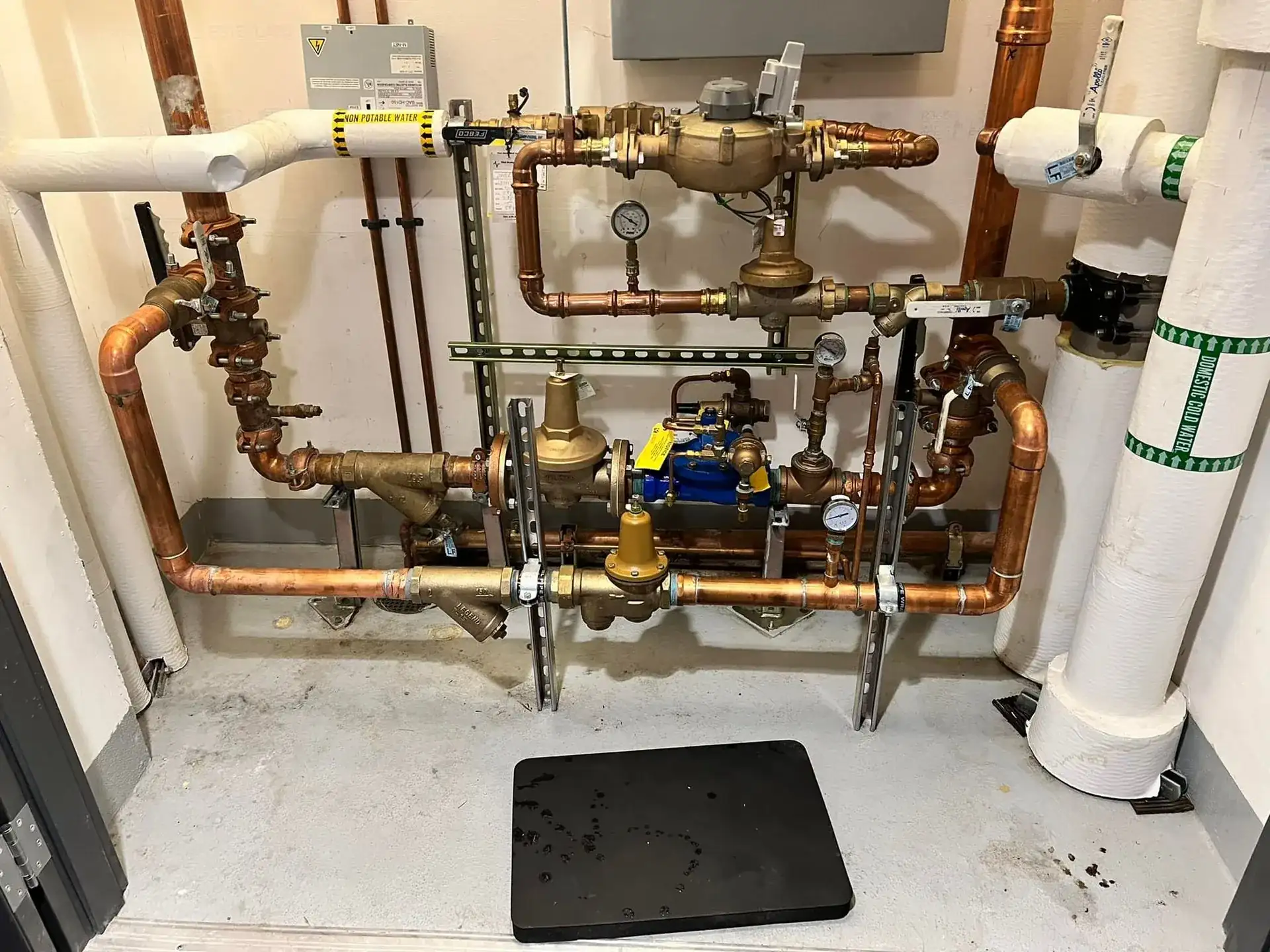
Some homes have a pressure regulator installed on the incoming water line.
The regulator helps control the pressure entering the home's plumbing system.
If it begins to fail, homeowners may notice pressure that becomes unusually weak, unusually strong, or inconsistent.
A pressure regulator problem usually affects multiple fixtures rather than one isolated faucet.
Other signs can include:
- Sudden changes in water pressure
- Pressure that fluctuates throughout the day
- Plumbing noises
- Fixtures that behave differently than they used to
Determining whether a regulator is operating correctly generally requires checking the actual water pressure and inspecting the system.
Replacing or adjusting a pressure regulator is usually a job for a plumber.
Hidden Water Leaks Can Reduce Pressure
A leak somewhere in the plumbing system can affect both water usage and available pressure.
If water is escaping before it reaches the fixture you are using, the system may not perform the way it normally does.
This is especially concerning when low pressure appears suddenly without an obvious explanation.
Other warning signs of a hidden leak can include:
- An unexplained increase in the water bill
- Damp flooring
- Water stains
- Bubbling paint
- Musty odors
- Moisture inside cabinets
- The sound of running water when fixtures are off
- Areas of the yard that stay unusually wet
Not every leak causes an obvious pressure drop, but a sudden change in pressure combined with other signs of water damage should not be ignored.
Finding a leak early can help limit damage to drywall, flooring, cabinets, framing, and other parts of the home.
Aging Pipes Can Restrict Water Flow
Older plumbing can gradually develop restrictions inside the pipes.
Corrosion and mineral deposits may reduce the usable diameter of the pipe over time.
From the outside, the pipe may appear to be the same size. Inside, however, buildup can leave less room for water to move.
This can create weak flow at several fixtures.
The problem may develop slowly, making it difficult to notice until the difference becomes significant.
Homeowners may first notice it when:
- More than one fixture is running
- Someone starts the washing machine
- A toilet is flushed during a shower
- An outdoor hose is being used
- Water demand is high in several areas at once
If an older home has consistently weak water flow throughout the plumbing system, the condition and material of the pipes may need to be evaluated.
Corrosion Can Cause More Than Low Pressure
Corroded plumbing can create several problems beyond reduced water flow.
Depending on the condition of the pipe, corrosion may also contribute to leaks, discoloration, or deterioration at fittings and connections.
Visible corrosion around accessible pipes should be taken seriously, particularly if the plumbing is older or has already required repeated repairs.
Replacing one damaged section may solve an isolated issue.
If corrosion is widespread, a plumber may recommend evaluating more of the system rather than continuing to repair individual problem areas as they fail.
Problems With the Water Heater Can Affect Hot Water Pressure
If low pressure only affects hot water, the water heater may be involved.
Sediment, failing valves, restricted piping, or problems at the connections to the water heater can affect hot water delivery.
Compare hot and cold flow at several fixtures.
If the cold side works normally but hot water flow is noticeably weaker throughout the home, this provides an important clue.
The water heater and surrounding plumbing can then be inspected rather than troubleshooting the entire cold-water supply.
Homeowners should avoid opening, adjusting, or disconnecting water heater components unless they understand the system and applicable safety requirements.
Low Pressure Can Happen Only When Several Fixtures Are Running
Sometimes water pressure seems normal until multiple fixtures are used at the same time.
A shower may work well until someone flushes a toilet.
The kitchen faucet may lose strength while the washing machine is filling.
This can point to a limitation in how much water the system can deliver at once.
Possible causes include:
- Restricted pipes
- Older plumbing
- Partially closed valves
- Supply limitations
- Pressure regulator problems
- Pipe sizing issues
The pattern matters.
If the problem only happens during periods of higher water demand, tell the plumber exactly when the pressure drops.
That can help narrow down the cause more quickly.
Municipal Water Supply Can Affect Home Pressure
Not every pressure problem begins inside the house.
Changes in the local water supply can sometimes affect multiple homes in the same area.
Maintenance, utility work, pressure changes, or other issues outside the property can temporarily influence water service.
If pressure drops suddenly throughout the entire house, it may be worth checking whether nearby homes are experiencing the same problem.
If neighbors have normal pressure while your home does not, the cause is more likely to be within your property or plumbing system.
The main service line between the municipal supply and the home may also need to be considered.
The Main Water Service Line Can Develop Problems
The water service line brings water from the public supply or another source into the home.
Damage, restriction, leaks, or deterioration in this line can affect pressure throughout the house.
Because much of the service line may be underground, problems are not always immediately visible.
Possible signs of a service line issue may include:
- Low pressure throughout the home
- Sudden changes in water flow
- Wet areas in the yard
- Unexplained water usage
- Changes that affect both hot and cold fixtures
Locating the problem may require professional testing and inspection.
Well Systems Have Additional Pressure Components
Homes that use private wells have additional equipment that can affect water pressure.
The well pump, pressure tank, pressure switch, filters, and other components all play a role in delivering water to the home.
Pressure that cycles rapidly, drops unexpectedly, or changes significantly between uses may indicate a problem somewhere in the well system.
Because these systems include both plumbing and electrical components, professional evaluation is often the safest way to diagnose the issue.
Water Filters Can Restrict Flow
Whole-house filtration systems, water softeners, and cartridge filters can also affect water pressure.
As filters collect debris and sediment, they can become increasingly restrictive.
A system that worked normally when the filter was new may gradually produce weaker water flow as the filter becomes clogged.
If the home has a filtration system, check whether the pressure problem started around the time a filter was due for replacement or maintenance.
The same principle applies to smaller filters installed at individual fixtures.
Pressure and Flow Are Not Exactly the Same Thing
Homeowners often use the terms water pressure and water flow interchangeably, but they describe different things.
Pressure refers to the force pushing water through the system.
Flow refers to the amount of water that can actually move through a fixture or pipe over a period of time.
A restriction can make a fixture seem like it has low pressure even when the incoming system pressure is acceptable.
That is why diagnosis involves more than simply noticing that a faucet feels weak.
A plumber may need to determine whether the problem is caused by actual pressure, restricted flow, or both.
Sudden Pressure Changes Deserve Attention
A gradual decline in water flow may point toward buildup, aging plumbing, or a developing restriction.
A sudden change can be more concerning.
If the water pressure was normal yesterday and becomes significantly weaker today, there may have been a recent change in the system.
That could involve:
- A new leak
- A valve problem
- A pressure regulator failure
- Utility work
- A service line issue
- A plumbing component beginning to fail
Sudden changes are particularly important when accompanied by water stains, damp areas, unusual sounds, or increased water usage.
Low Pressure in One Bathroom May Be an Isolated Problem
If every fixture in one bathroom is weak but the rest of the home is normal, the issue may be limited to the branch plumbing serving that area.
This can be useful diagnostic information.
For example, if a bathroom sink, shower, and toilet all begin behaving differently while the kitchen remains normal, the problem may be associated with plumbing shared by those bathroom fixtures.
The same idea applies to other parts of the home.
Knowing exactly which fixtures are affected can help reduce unnecessary troubleshooting.
Do Not Ignore Changes in Water Pressure
Water pressure problems can seem like a minor inconvenience at first.
It is easy to put off dealing with a weak shower or slow faucet when the water is still technically working.
However, pressure changes can sometimes be an early warning sign of a larger plumbing problem.
A restriction may continue getting worse.
A hidden leak may continue damaging surrounding materials.
A failing valve or regulator may eventually stop working altogether.
Paying attention to changes early can make it easier to identify the cause before the problem becomes more disruptive.
What You Can Check Before Calling a Plumber
There are several basic observations homeowners can make before scheduling service.
Check whether:
- One fixture or several fixtures are affected
- Both hot and cold water have low pressure
- The problem happens all the time or only occasionally
- Pressure drops when multiple fixtures are running
- Faucet aerators or showerheads are visibly clogged
- Accessible shutoff valves appear fully open
- There are signs of leaks or moisture
- The water bill has changed unexpectedly
- Neighbors are experiencing similar pressure problems
These details can help a plumber understand the situation before troubleshooting begins.
You do not need to diagnose the entire plumbing system yourself.
The goal is simply to gather useful information about how and when the problem occurs.
When to Call a Plumber
If cleaning a fixture does not solve the problem, the pressure is weak throughout the home, or there are signs of a leak, it is time to investigate further.
Professional plumbing service may be especially important when:
- Water pressure suddenly drops throughout the house
- Multiple fixtures are affected
- Hot water pressure is consistently weaker than cold
- Pipes show signs of corrosion
- There are unexplained wet areas
- The water meter indicates possible hidden usage
- Pressure changes dramatically throughout the day
- The problem continues getting worse
- You suspect a service line or pressure regulator issue
Flynn Plumbing and Mechanical LLC can inspect the plumbing system, narrow down the source of low water pressure, and explain what repair options make sense for the home.
Instead of guessing at the cause or replacing fixtures that are not responsible for the problem, a professional evaluation can help determine whether the issue involves a simple restriction, a failing component, a hidden leak, or a larger problem within the plumbing system.
Final Thoughts
Low water pressure is not a single plumbing problem with one universal solution.
It can be caused by something as simple as a clogged faucet aerator or something more significant such as aging pipes, a hidden leak, a failing pressure regulator, or a problem with the main water service.
The best place to start is by determining how widespread the issue is.
Check multiple fixtures, compare hot and cold water, pay attention to when the pressure changes, and look for other signs of plumbing trouble.
If the problem affects several areas of the home or you cannot identify the cause, Flynn Plumbing and Mechanical LLC can inspect the system and help determine what is restricting your water flow.
Addressing the problem early can restore normal performance while helping prevent a smaller plumbing issue from becoming a much more expensive repair.